























LuxuryJewelsNews
  • Home
  • Jewelry News
    How Are Celebrities Influencing Jewelry Trends Right Now?

    How Are Celebrities Influencing Jewelry Trends Right Now?

    Can a Single Piece of Jewelry Transform Your Entire Look?

    Can a Single Piece of Jewelry Transform Your Entire Look?

    What Role Does Jewelry Play in Modern Fashion Statements?

    What Role Does Jewelry Play in Modern Fashion Statements?

    High-Tech Jewelry Innovations: Changing the Way We Wear Accessories

    High-Tech Jewelry Innovations: Changing the Way We Wear Accessories

    What Makes Antique Jewelry So Enduringly Popular?

    What Makes Antique Jewelry So Enduringly Popular?

    How Do New Materials Like Meteorite and Wood Shape Jewelry Trends?

    How Do New Materials Like Meteorite and Wood Shape Jewelry Trends?

  • Brand Spotlight
    How Can a Brand Leverage Social Media to Build a Loyal Following?

    How Can a Brand Leverage Social Media to Build a Loyal Following?

    Is Your Brand Strategy Aligned with Your Audience’s Expectations?

    Is Your Brand Strategy Aligned with Your Audience’s Expectations?

    Why Do Consumers Choose Some Brands Over Others?

    Why Do Consumers Choose Some Brands Over Others?

    Innovation’s Crucial Role in Brand Evolution

    Innovation’s Crucial Role in Brand Evolution

    How Do Successful Brands Adapt to Changing Consumer Behavior?

    How Do Successful Brands Adapt to Changing Consumer Behavior?

    Can a Unique Brand Story Set You Apart from Competitors?

    Can a Unique Brand Story Set You Apart from Competitors?

  • Market Insights
    How Do Global Events Reshape Local Market Dynamics?

    How Do Global Events Reshape Local Market Dynamics?

    Can You Innovate Faster Than Your Competitors?

    Can You Innovate Faster Than Your Competitors?

    What Can Consumer Sentiment Teach Us About Market Trends?

    What Can Consumer Sentiment Teach Us About Market Trends?

    Is Your Competitor’s Success a Threat or Opportunity for You?

    Is Your Competitor’s Success a Threat or Opportunity for You?

    How Will Automation Impact Your Market Position?

    How Will Automation Impact Your Market Position?

    Are You Using the Right Market Segmentation for Growth?

    Are You Using the Right Market Segmentation for Growth?

  • Trends & Styles
    Are We Ready for the Return of Punk Styles?

    Are We Ready for the Return of Punk Styles?

    Do Customizable Products Really Offer More Value?

    Do Customizable Products Really Offer More Value?

    What Makes a Trend ‘Timeless’?

    What Makes a Trend ‘Timeless’?

    Can AI Predict the Next Big Fashion Trend?

    Can AI Predict the Next Big Fashion Trend?

    How Does Streetwear Shape Luxury Fashion?

    How Does Streetwear Shape Luxury Fashion?

    The Future of Fashion: Eco-Friendly or Disposable?

    The Future of Fashion: Eco-Friendly or Disposable?

  • Designer Features
    How Can Innovative Designer Features Elevate Your Product’s Market Position?

    How Can Innovative Designer Features Elevate Your Product’s Market Position?

    Do Designer Features Have the Power to Enhance Aesthetics or Just Functionality?

    Do Designer Features Have the Power to Enhance Aesthetics or Just Functionality?

    Are You Relying Too Much on Trends in Your Designer Features?

    Are You Relying Too Much on Trends in Your Designer Features?

    Can Designer Features Improve Accessibility and Inclusion?

    Can Designer Features Improve Accessibility and Inclusion?

    Is It Time to Evolve Your Designer Features for Better User Retention?

    Is It Time to Evolve Your Designer Features for Better User Retention?

    How Do Your Designer Features Compare with Industry Standards?

    How Do Your Designer Features Compare with Industry Standards?

  • Exhibitions
    What Makes an Exhibition Culturally Significant?

    What Makes an Exhibition Culturally Significant?

    How Can Museums Ensure Accessibility in Their Exhibitions?

    How Can Museums Ensure Accessibility in Their Exhibitions?

    Are Digital Exhibitions a Threat or a Complement to Traditional Ones?

    Are Digital Exhibitions a Threat or a Complement to Traditional Ones?

    How Do Temporary Exhibitions Compare to Permanent Collections?

    How Do Temporary Exhibitions Compare to Permanent Collections?

    Can Exhibitions Inspire Social Change?

    Can Exhibitions Inspire Social Change?

    Is Virtual Reality the Next Step in Exhibition Design?

    Is Virtual Reality the Next Step in Exhibition Design?

LuxuryJewelsNews
  • Home
  • Jewelry News
    How Are Celebrities Influencing Jewelry Trends Right Now?

    How Are Celebrities Influencing Jewelry Trends Right Now?

    Can a Single Piece of Jewelry Transform Your Entire Look?

    Can a Single Piece of Jewelry Transform Your Entire Look?

    What Role Does Jewelry Play in Modern Fashion Statements?

    What Role Does Jewelry Play in Modern Fashion Statements?

    High-Tech Jewelry Innovations: Changing the Way We Wear Accessories

    High-Tech Jewelry Innovations: Changing the Way We Wear Accessories

    What Makes Antique Jewelry So Enduringly Popular?

    What Makes Antique Jewelry So Enduringly Popular?

    How Do New Materials Like Meteorite and Wood Shape Jewelry Trends?

    How Do New Materials Like Meteorite and Wood Shape Jewelry Trends?

  • Brand Spotlight
    How Can a Brand Leverage Social Media to Build a Loyal Following?

    How Can a Brand Leverage Social Media to Build a Loyal Following?

    Is Your Brand Strategy Aligned with Your Audience’s Expectations?

    Is Your Brand Strategy Aligned with Your Audience’s Expectations?

    Why Do Consumers Choose Some Brands Over Others?

    Why Do Consumers Choose Some Brands Over Others?

    Innovation’s Crucial Role in Brand Evolution

    Innovation’s Crucial Role in Brand Evolution

    How Do Successful Brands Adapt to Changing Consumer Behavior?

    How Do Successful Brands Adapt to Changing Consumer Behavior?

    Can a Unique Brand Story Set You Apart from Competitors?

    Can a Unique Brand Story Set You Apart from Competitors?

  • Market Insights
    How Do Global Events Reshape Local Market Dynamics?

    How Do Global Events Reshape Local Market Dynamics?

    Can You Innovate Faster Than Your Competitors?

    Can You Innovate Faster Than Your Competitors?

    What Can Consumer Sentiment Teach Us About Market Trends?

    What Can Consumer Sentiment Teach Us About Market Trends?

    Is Your Competitor’s Success a Threat or Opportunity for You?

    Is Your Competitor’s Success a Threat or Opportunity for You?

    How Will Automation Impact Your Market Position?

    How Will Automation Impact Your Market Position?

    Are You Using the Right Market Segmentation for Growth?

    Are You Using the Right Market Segmentation for Growth?

  • Trends & Styles
    Are We Ready for the Return of Punk Styles?

    Are We Ready for the Return of Punk Styles?

    Do Customizable Products Really Offer More Value?

    Do Customizable Products Really Offer More Value?

    What Makes a Trend ‘Timeless’?

    What Makes a Trend ‘Timeless’?

    Can AI Predict the Next Big Fashion Trend?

    Can AI Predict the Next Big Fashion Trend?

    How Does Streetwear Shape Luxury Fashion?

    How Does Streetwear Shape Luxury Fashion?

    The Future of Fashion: Eco-Friendly or Disposable?

    The Future of Fashion: Eco-Friendly or Disposable?

  • Designer Features
    How Can Innovative Designer Features Elevate Your Product’s Market Position?

    How Can Innovative Designer Features Elevate Your Product’s Market Position?

    Do Designer Features Have the Power to Enhance Aesthetics or Just Functionality?

    Do Designer Features Have the Power to Enhance Aesthetics or Just Functionality?

    Are You Relying Too Much on Trends in Your Designer Features?

    Are You Relying Too Much on Trends in Your Designer Features?

    Can Designer Features Improve Accessibility and Inclusion?

    Can Designer Features Improve Accessibility and Inclusion?

    Is It Time to Evolve Your Designer Features for Better User Retention?

    Is It Time to Evolve Your Designer Features for Better User Retention?

    How Do Your Designer Features Compare with Industry Standards?

    How Do Your Designer Features Compare with Industry Standards?

  • Exhibitions
    What Makes an Exhibition Culturally Significant?

    What Makes an Exhibition Culturally Significant?

    How Can Museums Ensure Accessibility in Their Exhibitions?

    How Can Museums Ensure Accessibility in Their Exhibitions?

    Are Digital Exhibitions a Threat or a Complement to Traditional Ones?

    Are Digital Exhibitions a Threat or a Complement to Traditional Ones?

    How Do Temporary Exhibitions Compare to Permanent Collections?

    How Do Temporary Exhibitions Compare to Permanent Collections?

    Can Exhibitions Inspire Social Change?

    Can Exhibitions Inspire Social Change?

    Is Virtual Reality the Next Step in Exhibition Design?

    Is Virtual Reality the Next Step in Exhibition Design?

LuxuryJewelsNews
No Result
View All Result
Home Trends & Styles

Is Minimalism Really the Future of Interior Design?

October 29, 2025
in Trends & Styles
Is Minimalism Really the Future of Interior Design?

Introduction: A New Era of Interiors

In a world constantly overwhelmed by excess—be it in terms of information, consumption, or the clutter that fills our homes—minimalism has emerged not just as a design aesthetic, but as a lifestyle choice. A growing number of people are embracing the concept of “less is more,” and minimalism is rapidly becoming the go-to design philosophy for modern interiors. But is minimalism truly the future of interior design, or is it simply a passing trend?

As we delve deeper into this question, we will explore the roots of minimalism, its influence on contemporary design, its sustainability, and whether it can adapt to the diverse needs of future interiors. Along the way, we’ll also consider the pros and cons of minimalist living and examine whether this stripped-back approach has staying power.


The Origins of Minimalism: Less Is More

Minimalism in interior design draws inspiration from a broader cultural movement that began in the mid-20th century. It was rooted in the broader minimalist art movement, which sought to strip away unnecessary complexity and focus on the essentials. The philosophy of “less is more,” coined by architect Ludwig Mies van der Rohe, became the foundation for a movement that sought to create beauty through simplicity, order, and functionality.

In the 1950s and 60s, the minimalist aesthetic began to influence architecture and design, with figures such as architect Tadao Ando and designers like Charles and Ray Eames embracing clean lines, open spaces, and uncluttered forms. These early pioneers believed that stripping a space down to its core allowed the natural beauty of materials to shine through.

Minimalism Today: A Global Design Trend

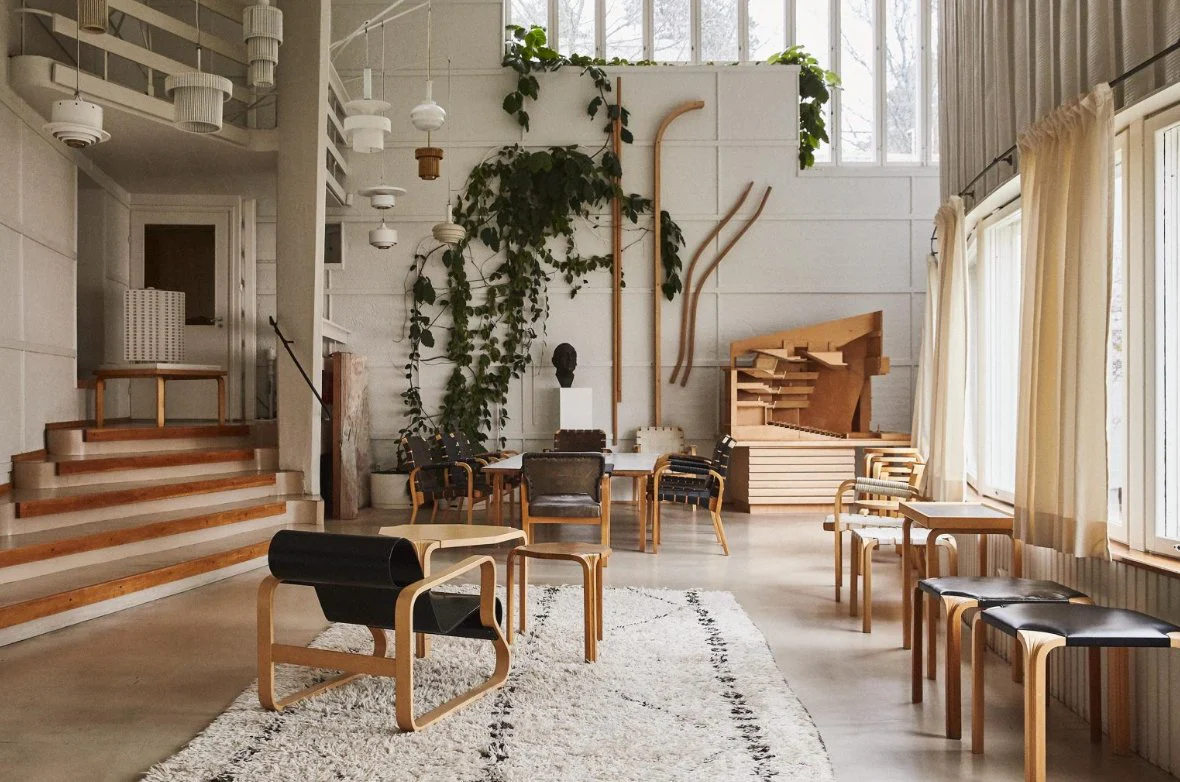
Fast forward to the 21st century, and minimalism is more than just an architectural statement—it has become a lifestyle choice for many. The rise of social media platforms like Instagram and Pinterest has given minimalism even more visibility, allowing its sleek, pared-back interiors to be shared across the globe. From Scandinavian hygge to Japanese wabi-sabi, the philosophy of simplicity has found a global following.
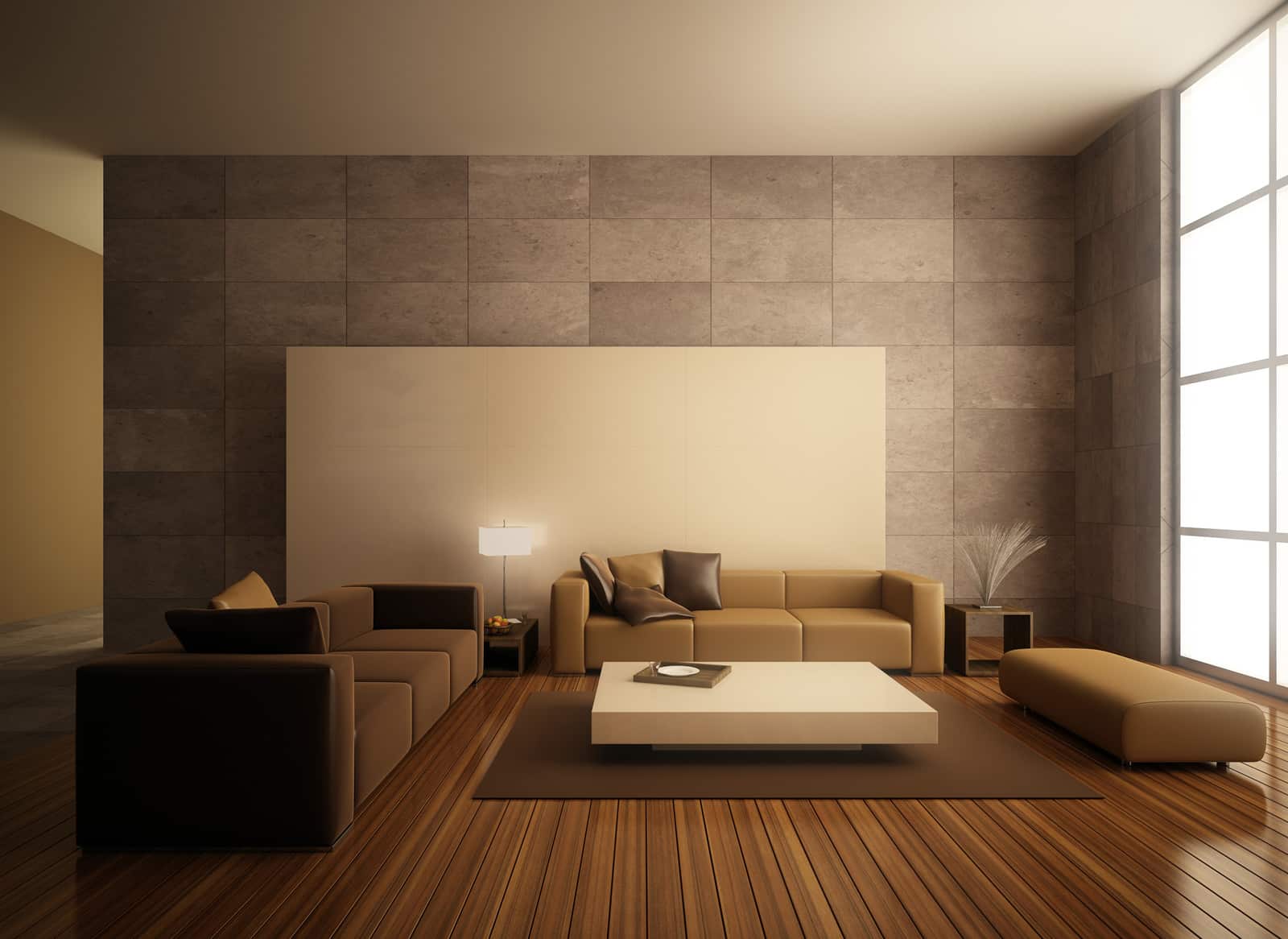
Minimalist Interior Design Style: Features and Tips

Minimalism has transcended its original design roots, becoming a symbol of sophistication and intentional living. But is it a sustainable future trend, or simply an aesthetic that will fade into the background as new styles emerge?


Minimalism in Interior Design: Key Elements and Principles

At the heart of minimalism is the idea of removing the unnecessary. The goal isn’t to have an empty space, but rather one where every element serves a purpose. Here are some of the key elements that define minimalist interiors:

  1. Open Space: Minimalist design often emphasizes wide, open spaces with little to no visual clutter. Furniture is carefully chosen to ensure that it serves a functional purpose while allowing the room to feel airy and free.
  2. Neutral Color Palettes: Minimalism often favors neutral colors—whites, blacks, grays, and earth tones—that create a serene and calming environment. These colors allow the architecture and design elements to take center stage, rather than the color palette itself.
  3. Natural Materials: Wood, stone, and metal are common materials in minimalist design, as they add texture without overwhelming the senses. These materials also have a timeless quality that helps minimalist interiors age gracefully.
  4. Clean Lines and Simple Forms: Minimalist interiors tend to favor clean, sharp lines and geometric forms. Furniture and decor are often stripped of ornamentation, with an emphasis on simplicity and functionality.
  5. Function Over Form: Every piece of furniture and decor is chosen for its practicality and purpose. Multi-functional pieces, like fold-out desks or modular storage units, are staples in minimalist design, as they help maintain the sense of openness and simplicity.
  6. Quality Over Quantity: Minimalism encourages investing in high-quality items that last, rather than filling a space with cheap, mass-produced items. This approach reduces waste and promotes sustainability.

Why Minimalism Appeals to Modern Living

1. A Reaction Against Consumerism

In today’s fast-paced, consumer-driven society, many people find themselves surrounded by excess—too much stuff, too many distractions. Minimalism offers a counterpoint to the culture of overconsumption, encouraging people to focus on the things that truly matter.

The concept of owning fewer possessions and living with only what is necessary can feel like a breath of fresh air in an age where our homes are often overflowing with unnecessary items. In a world where we are bombarded with advertising, social media, and the constant pressure to “keep up,” minimalism offers a refuge—a place of calm and clarity.

2. The Desire for Mental Clarity

Cluttered spaces can lead to cluttered minds. Research has shown that our environment can have a profound effect on our mental state. Too much stuff can create visual noise, making it difficult to focus and feel at ease. By embracing minimalism, people are not just creating aesthetically pleasing spaces—they are also fostering a sense of peace and mental clarity.

Minimalism encourages mindfulness and intentional living, helping people focus on the essentials and declutter both their physical and mental spaces. In this sense, minimalism is not just about design—it’s a philosophy of life that encourages conscious choices and mindful consumption.

3. Sustainability and Longevity

As sustainability becomes an increasingly important consideration in modern design, minimalism offers a natural fit. The minimalist approach encourages the use of high-quality, durable materials and avoids wasteful consumption. Rather than constantly replacing cheap, disposable items, minimalist design advocates for investing in pieces that stand the test of time.
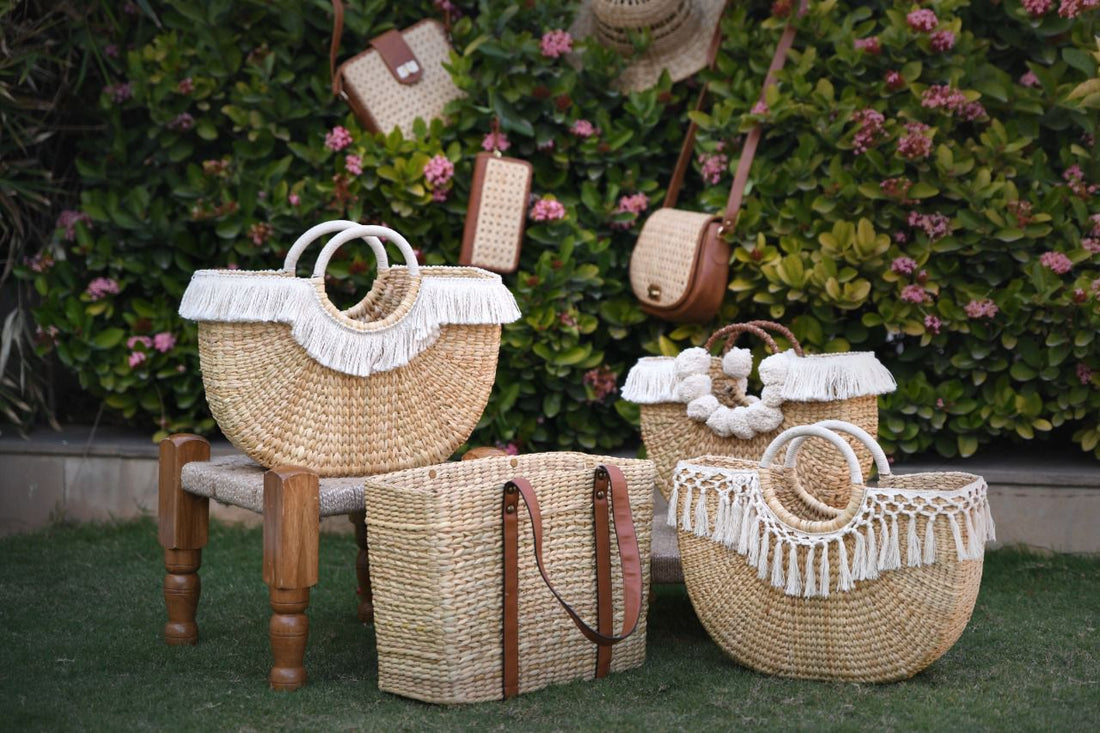
Sustainable Solutions in the Home Decor Industry | Smitam Lifestyle

By choosing to buy fewer, better-quality items, individuals can reduce their environmental impact. This shift towards quality over quantity is one of the reasons why minimalism is often seen as a more sustainable approach to interior design.

4. Timelessness

One of the key advantages of minimalist design is its timeless quality. Unlike more trend-driven styles that may feel dated after a few years, minimalist interiors can endure through the ages. A minimalist home, with its neutral tones and functional forms, never goes out of style.

Moreover, minimalism has the flexibility to evolve with time. While the core principles remain the same, the specific design elements can shift to reflect new trends, making minimalist design adaptable and long-lasting.


The Challenges of Minimalism

While minimalism may sound like the perfect solution to our cluttered modern lives, it does come with its own set of challenges:

1. The Risk of Sterility

One of the main criticisms of minimalist design is that it can feel sterile or cold. With an emphasis on clean lines, neutral colors, and an absence of personal items, some minimalist interiors can lack warmth and character. The challenge, then, is to strike the right balance between simplicity and personality.

Incorporating elements like textured fabrics, plants, and personal artwork can help add warmth and make a minimalist space feel more inviting. The key is to carefully curate the elements in the space so that they contribute to the overall aesthetic without overcrowding the room.

2. The Pressure of Perfection

Minimalism can sometimes feel like an exercise in perfectionism. The idea of creating a “perfect” minimalist space can be daunting, especially for those who are used to a more eclectic or lived-in home. Additionally, achieving true minimalism often requires significant effort—whether it’s decluttering an entire home or sourcing high-quality furniture that fits the aesthetic.

For some, this pressure to conform to minimalist ideals can be overwhelming. It’s important to remember that minimalism, like any design philosophy, is about personal interpretation. There’s no one-size-fits-all approach, and it’s okay to deviate from the “rules” if it means creating a space that feels comfortable and authentic.


Is Minimalism the Future of Interior Design?

So, is minimalism really the future of interior design? In many ways, the answer seems to be yes. As we move towards a more sustainable, mindful, and purpose-driven world, minimalism aligns perfectly with these values. It encourages thoughtful consumption, promotes a sense of mental clarity, and offers a timeless design aesthetic that can endure through generations.

However, minimalism may not be the solution for everyone. People have different needs, tastes, and lifestyles, and some may prefer more vibrant, eclectic, or maximalist spaces that reflect their unique personalities. Minimalism works for those who value simplicity and serenity, but it’s not the only way to create a beautiful home.

In the end, the future of interior design is likely to be a blend of many styles—minimalism included. Rather than one style dominating the scene, design will continue to evolve, and the best interiors will reflect the diverse and multifaceted nature of modern life.



Tags: branddesignDesigner Featuresstyle
ShareTweetShare

Related Posts

Are We Ready for the Return of Punk Styles?
Trends & Styles

Are We Ready for the Return of Punk Styles?

November 12, 2025
Do Customizable Products Really Offer More Value?
Trends & Styles

Do Customizable Products Really Offer More Value?

November 12, 2025
What Makes a Trend ‘Timeless’?
Trends & Styles

What Makes a Trend ‘Timeless’?

November 10, 2025
Can AI Predict the Next Big Fashion Trend?
Trends & Styles

Can AI Predict the Next Big Fashion Trend?

November 10, 2025
How Does Streetwear Shape Luxury Fashion?
Trends & Styles

How Does Streetwear Shape Luxury Fashion?

November 7, 2025
The Future of Fashion: Eco-Friendly or Disposable?
Trends & Styles

The Future of Fashion: Eco-Friendly or Disposable?

November 7, 2025
Leave Comment
  • Trending
  • Comments
  • Latest
The Return of Colored Gemstones: What Does It Mean for the Future of Jewelry Trends? Will They Become the New Darlings of the Jewelry World?

The Return of Colored Gemstones: What Does It Mean for the Future of Jewelry Trends? Will They Become the New Darlings of the Jewelry World?

June 22, 2025
The New Skills Jewelry Designers Will Need to Navigate the Convergence of Technology and Art

The New Skills Jewelry Designers Will Need to Navigate the Convergence of Technology and Art

April 23, 2025
The Return of Vintage in Jewelry: Is the Retro Trend Making a Comeback? Which Classic Designs Are Rebirth in the Modern Age?

The Return of Vintage in Jewelry: Is the Retro Trend Making a Comeback? Which Classic Designs Are Rebirth in the Modern Age?

June 22, 2025
The Retro Revival in Jewelry: Can the Jewelry Industry Spark a Return to Classic Designs?

The Retro Revival in Jewelry: Can the Jewelry Industry Spark a Return to Classic Designs?

April 22, 2025
What Are the Key New Product Launches in the Luxury Jewelry Industry in 2025?

What Are the Key New Product Launches in the Luxury Jewelry Industry in 2025?

Which Luxury Jewelry Brands Launched Innovative Designs or Technologies in 2025?

Which Luxury Jewelry Brands Launched Innovative Designs or Technologies in 2025?

Growth Trends of the Global Luxury Jewelry Market in 2025

Growth Trends of the Global Luxury Jewelry Market in 2025

What Major Events Shaped the Luxury Jewelry Industry Landscape in 2025?

What Major Events Shaped the Luxury Jewelry Industry Landscape in 2025?

How Are Celebrities Influencing Jewelry Trends Right Now?

How Are Celebrities Influencing Jewelry Trends Right Now?

November 12, 2025
How Do Global Events Reshape Local Market Dynamics?

How Do Global Events Reshape Local Market Dynamics?

November 12, 2025
Are We Ready for the Return of Punk Styles?

Are We Ready for the Return of Punk Styles?

November 12, 2025
Do Customizable Products Really Offer More Value?

Do Customizable Products Really Offer More Value?

November 12, 2025
LuxuryJewelsNews

Explore inspiring stories and expert perspectives on luxury jewelry, helping you navigate trends, discover designers, and connect with the vibrant jewelry community.

© 2025 luxuryjewelsnews.com. contacts:[email protected]

No Result
View All Result
  • Home
  • Jewelry News
  • Brand Spotlight
  • Market Insights
  • Trends & Styles
  • Designer Features
  • Exhibitions

© 2025 luxuryjewelsnews.com. contacts:[email protected]

Welcome Back!

Login to your account below

Forgotten Password?

Retrieve your password

Please enter your username or email address to reset your password.

Log In