




































In today’s competitive marketplace, where choices are abundant and consumer attention is fleeting, building a strong brand identity has become more than just a marketing strategy—it’s a necessity. A compelling brand identity not only differentiates a company from its competitors but also fosters deep emotional connections with customers, leading to increased loyalty and long-term success.
Understanding Brand Identity
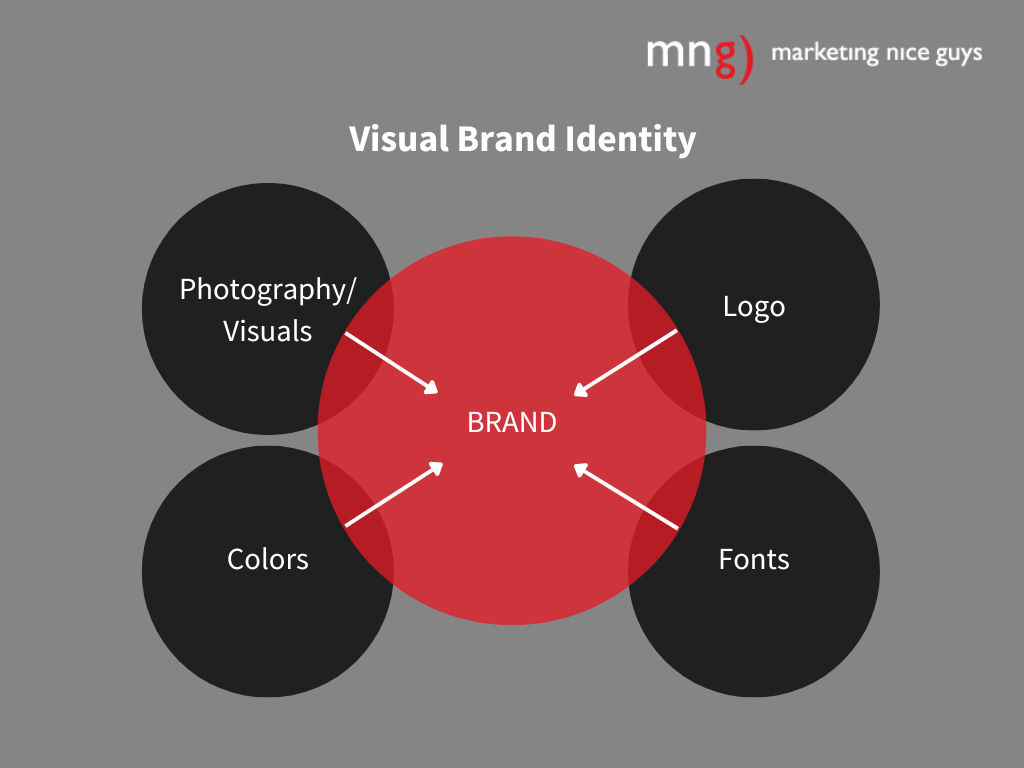
Brand Identity encompasses the visible elements of a brand—such as its logo, color palette, typography, and design aesthetics—that together convey the brand’s values, personality, and promise to consumers. However, it extends beyond mere visuals; it includes the tone of voice, customer interactions, and the overall experience a brand delivers. In essence, brand identity is the way a company presents itself and how it wants to be perceived by its audience.
The Connection Between Brand Identity and Customer Loyalty
1. Building Trust Through Consistency
Consistency in brand messaging and aesthetics across all touchpoints—be it online platforms, packaging, or customer service—reinforces reliability. When customers encounter a brand that consistently delivers on its promises and maintains a cohesive image, trust is cultivated. This trust is a cornerstone of customer loyalty, as consumers are more likely to return to brands they perceive as dependable.
2. Creating Emotional Connections
A strong brand identity resonates emotionally with consumers by aligning with their values, aspirations, and lifestyles. Brands that effectively communicate their story and purpose can evoke positive emotions, fostering a sense of belonging and attachment. This emotional connection transforms customers into loyal advocates who are more inclined to support the brand over time.
3. Differentiation in a Crowded Market
In saturated markets, a distinctive brand identity helps a company stand out. Unique visual elements, messaging, and brand personality traits enable consumers to easily recognize and remember a brand. This differentiation not only attracts new customers but also reinforces loyalty among existing ones, as they feel a stronger connection to a brand that stands apart from the competition.
4. Enhancing Customer Experience
Brand identity influences every aspect of the customer experience, from the design of a website to the packaging of a product. A well-crafted brand identity ensures that every interaction is seamless and aligned with the brand’s values, creating a cohesive and enjoyable experience for the customer. This positive experience encourages repeat business and strengthens customer loyalty.
5. Encouraging Advocacy and Word-of-Mouth
Loyal customers often become brand advocates, sharing their positive experiences with others. A compelling brand identity provides the tools and narratives that customers can share, amplifying the brand’s reach and influence. This organic promotion is invaluable, as recommendations from friends and family are among the most trusted sources of information for consumers.
Real-World Examples
Apple
Apple’s brand identity is synonymous with innovation, simplicity, and premium quality. The consistent design of its products, stores, and advertising creates a cohesive brand experience. This consistency has cultivated a loyal customer base that eagerly anticipates new product releases and remains committed to the brand.
Nike
Nike’s brand identity centers around empowerment and performance, encapsulated in its iconic “Just Do It” slogan. Through compelling storytelling and endorsements from athletes, Nike has established an emotional connection with consumers, inspiring them to push their limits and associate the brand with personal achievement.
Starbucks
Starbucks has crafted a brand identity that emphasizes community, comfort, and personalization. The consistent ambiance of its stores, the familiar green logo, and the ability to customize orders create a welcoming environment that encourages customers to return regularly, fostering strong brand loyalty.
Strategies to Strengthen Brand Identity and Loyalty

1. Define a Clear Brand Purpose
A well-defined brand purpose serves as the foundation for all branding efforts. It guides decision-making and ensures that all brand communications are aligned with the company’s core values and mission.
2. Maintain Visual and Verbal Consistency
Consistency in visual elements and messaging across all platforms reinforces brand recognition and trust. Developing brand guidelines can help maintain this consistency, ensuring that every customer interaction reflects the brand’s identity.
3. Engage with Customers Authentically
Building genuine relationships with customers through personalized interactions and active engagement on social media fosters a sense of community and belonging. Authentic engagement shows customers that the brand values their input and cares about their experiences.
4. Deliver Exceptional Customer Experiences
Every touchpoint with the customer should reflect the brand’s values and promise. Providing exceptional service and consistently meeting customer expectations enhances satisfaction and encourages repeat business.
5. Evolve with Customer Expectations
While consistency is key, brands must also be adaptable to changing consumer preferences and market trends. Regularly assessing and updating the brand identity ensures its relevance and resonance with the target audience.
Conclusion
A strong brand identity is not merely a logo or a catchy slogan; it is the embodiment of a company’s values, mission, and promise to its customers. By building trust, creating emotional connections, differentiating from competitors, enhancing customer experiences, and encouraging advocacy, a compelling brand identity can significantly drive customer loyalty. In an era where consumer choices are abundant, investing in a robust brand identity is essential for long-term success and sustained customer loyalty.